Preparing a Guest Welcome Package: Welcome Note, Guidebook, and Refreshment Standards
First impressions are the most frequently cited experience in Airbnb and Booking reviews. The package the guest encounters at check-in directly impacts the likelihood of receiving a five-star review. The welcome package ...
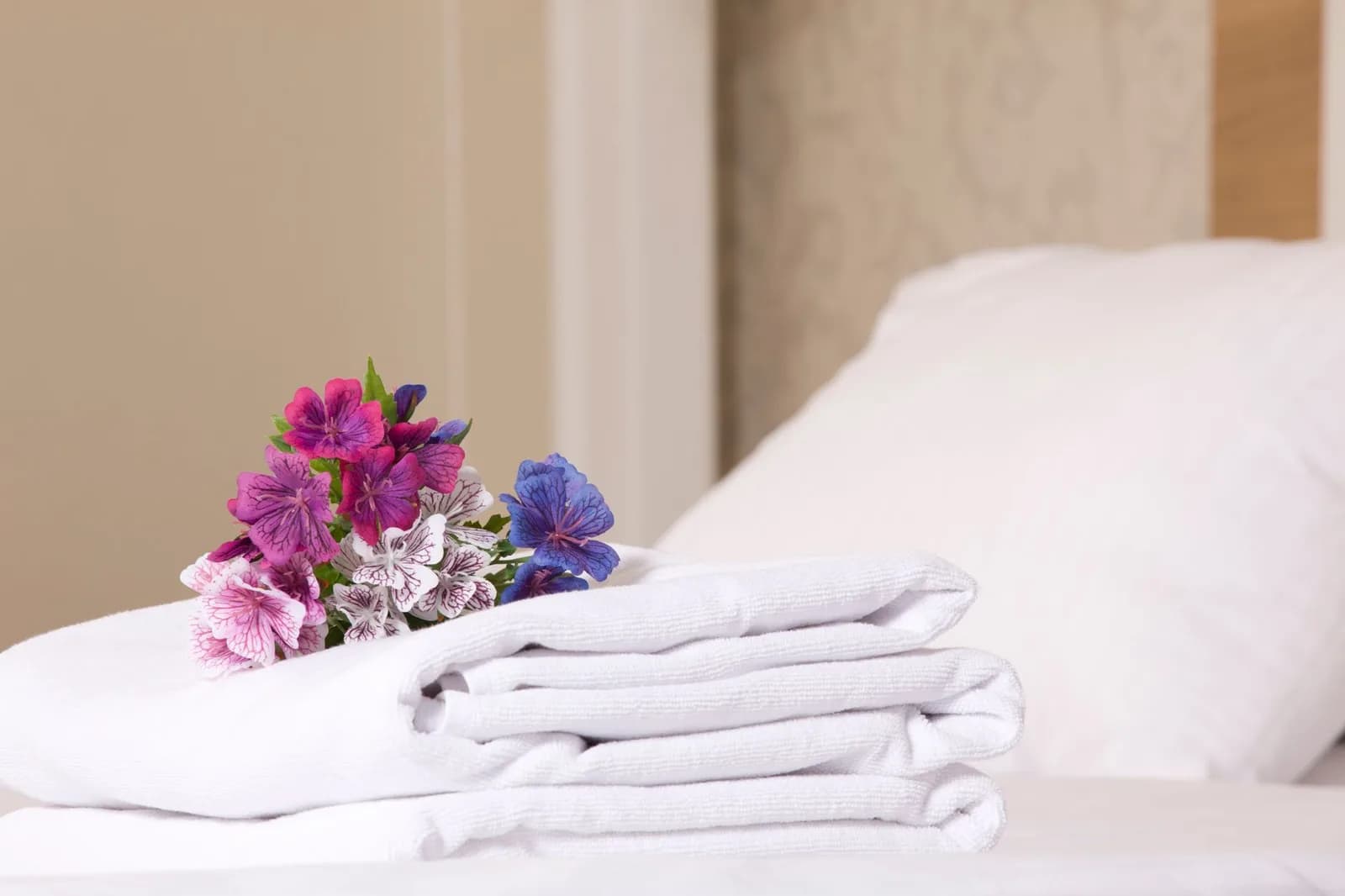
First impressions are the most frequently cited experience in Airbnb and Booking reviews. The package a guest encounters at check-in directly impacts the likelihood of receiving a five-star review. A welcome package is not just a nice gesture; it is a tangible tool for expectation management, and a silent supporter of repeat bookings and Superhost status.
In this guide, we break down the components of a welcome package, costs across three budget levels, digitization methods, and the most common mistakes step by step.
Why a Welcome Package is Worth the Investment
A well-structured welcome package provides three tangible returns for a cost of just a few hundred liras per stay:
- Higher review scores: Guests evaluate their entire stay based on the care they see in the first five minutes.
- Less message traffic: When most repetitive questions about WiFi, trash, and parking are answered in the package, the support load decreases. You can also quickly manage remaining questions using canned message templates.
- Fewer damages and complaints: When rules are clearly communicated from the start, issues like noise, late check-out, and appliance misuse are reduced.
In short, a welcome package is not a "marketing expense," but an investment that reduces operational costs.
Components of a Welcome Package
1. Welcome Note
A short note prepared by hand or as a personalized print makes guests feel special. The note should include:
- Guest's name (retrieved from booking details)
- Wishes for a great holiday / enjoyable stay
- Your contact number
- WiFi password (in a visible spot)
- An invitation like "Please reach out if you have any questions"
Sample text:
"Hello [Name], welcome! We hope you treat this place like your home away from home. If you need assistance with anything, feel free to reach us at [number]. WiFi: [network name] / Password: [password]"
Always leave the note in the same visible spot: the kitchen counter or dining table is ideal. It should catch the guest's eye as soon as they step inside.
2. House Manual
The house manual is the essential document guests refer to throughout their stay. It can be provided in print or digitally (via QR code). We discuss how to structure a comprehensive guide in detail in our house manual creation guide.
Topics that should be included in the manual:
- Check-in and check-out instructions (door code, key location) — smart lock steps if you are using contactless check-in
- WiFi information
- Appliance usage (AC, washing machine, oven)
- Trash and recycling rules
- Parking information
- Emergency numbers (fire, ambulance, water outage contacts)
- Rules of respect for neighbors (quiet hours)
- Check-out instructions
3. Welcome Basket
Treats create a disproportionately large impact at a small percentage of the stay cost. Three levels can be set based on budget:
| Level | Content | Estimated Cost |
|---|---|---|
| Basic | Tea, coffee, sugar, water | 50-80 TL |
| Mid-range | The above + snacks, fruit | 120-180 TL |
| Premium | The above + local products, wine or juice | 250-400 TL |
Local products (regional cheese, olives, jam) provide both personalization and tell the story of the city. For foreign guests, such treats significantly boost review quality.
Things to consider when choosing treats:
- Leave a brief ingredient note for allergen items (nuts, dairy).
- Include perishable items only if check-in is on the same day; otherwise, prefer options with a long shelf life.
- Only add alcoholic beverages if the guest profile is appropriate; be mindful of cultural sensitivities.
4. Practical Information Card
An A5 laminated card contains essential information that guests can quickly glance at:
- Nearest grocery store (address and opening hours)
- Nearest pharmacy
- Metro / transit stop info
- 3-5 recommended restaurants
- Taxi / app recommendation (BiTaksi, InDriver)
This card also creates the impression of a "local guide"; guests feel welcomed rather than like strangers.
Digital Welcome Package
A digital guide can be used as an alternative or addition to physical materials. Digital solutions make updating easy and reduce printing costs to zero.
Tools:
- Hostfully / TouchStay: Personalized digital guide with ready-made templates
- Notion or Google Sites: Free house manual accessed via QR code
- Airbnb Guidebook feature: Information cards shared with guests from within the platform
Paste the QR code on the door or entryway so guests can scan it with their phone to access all information instantly. Positioning your digital guide alongside your smart lock / keybox setup ensures a seamless first experience during contactless check-in.
Updates and Seasonal Adjustments
Don't leave your welcome package static:
- Add sunscreen or a beach map during the summer season
- Add warm tea varieties and winter activity recommendations during the winter season
- Update the guide card as local events change
- Scan guest reviews monthly to improve the guide based on "missing information" complaints
Common Mistakes
- Generic note: Anonymous, copy-pasted notes kill sincerity. Personalization makes all the difference.
- Outdated information: A manual recommending a closed restaurant or writing an old WiFi password erodes trust.
- Overly cluttered package: Dozens of brochures and ad cards overwhelm the guest. Simplicity highlights quality.
- Harsh rule phrasing: A tone of "we kindly request" instead of "prohibited" conveys the same rule more positively. Still, clarity is essential; ambiguity is the main source of guest complaints.
Quick Checklist
Review these items before every check-in:
- Personalized welcome note addressed to the guest is ready and in a visible location
- WiFi information is included in both the note and the manual
- House manual is up to date (door code, appliance instructions)
- Welcome basket suits the budget level and freshness has been checked
- Addresses and operating hours on the practical information card have been verified
- QR code digital manual is working
- Seasonal add-ons (sunscreen / hot drinks) have been added
When you standardize these steps, your welcome package delivers consistent quality for every guest and becomes the signature hallmark of your operation. When you manage your listings and check-in processes from a single dashboard with KepGuide, maintaining this standard across every reservation becomes much easier.
Frequently Asked Questions
How much budget should I allocate for a welcome package?
A budget between 50-400 TL per stay is sufficient. While the basic level (tea, coffee, water) costs 50-80 TL, the premium level including local products and drinks rises to 250-400 TL. Allocating 2-5% of your nightly rate to the welcome package is a balanced ratio for most listings.
Should I write the welcome note by hand or print it?
Both work well. Handwritten notes are perceived as more intimate, but they are not practical for a high volume of bookings. Using a personalized printed template and handwriting only the guest's name strikes a good balance between speed and warmth.
Is a digital manual or physical manual better?
The best result comes from combining both. A digital guide with a QR code makes updating easy and eliminates printing costs, while a physical welcome card creates warmth upon initial contact. Always keep critical details like WiFi and emergency contacts physically available as well.
Is there a risk of food spoilage in the welcome basket?
Yes, which is why you should only include perishable products (fruit, dairy products) if check-in is on the same day. For back-to-back reservations, opt for items with a long shelf life, such as tea, coffee, and dry snacks, and add expiration date checks to your checklist.
Does a welcome package really affect review scores?
It impacts them significantly. The first impression sets the framework within which the guest evaluates the entire stay. A thoughtful welcome package boosts both "cleanliness" and "communication" scores, while reducing repetitive questions to provide a smoother experience.